The Ultimate Guide to Clay Handle Maker Tool in the UK
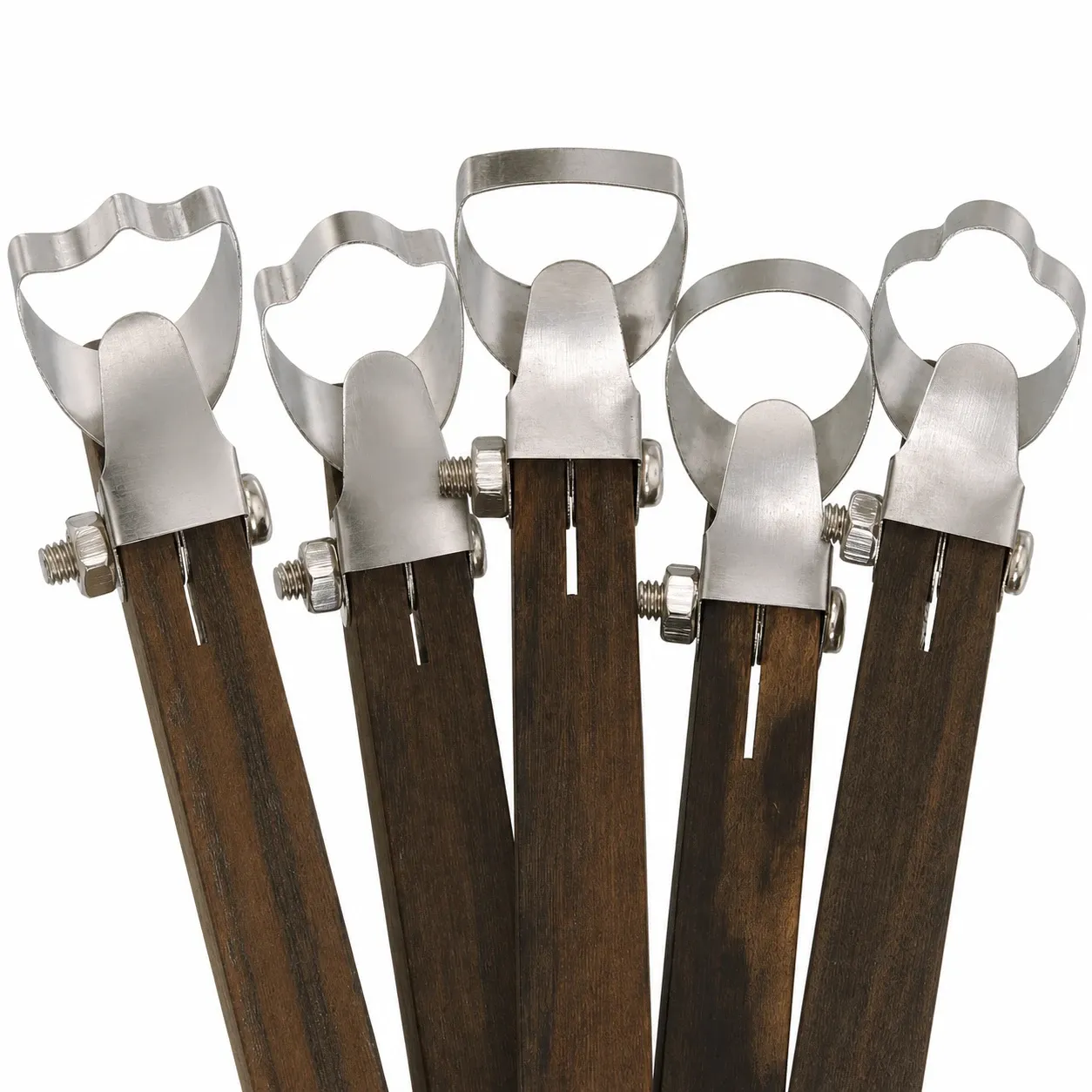
A clay handle maker tool is a pottery tool used to form consistent handles for mugs, cups, jugs and teapots by pulling or guiding clay through a shaped profile. It helps potters make cleaner, more repeatable handles while still keeping a handmade look. For UK makers, it is especially useful when producing small batches, refining handle comfort and improving consistency across a range.
TL;DR: A clay handle maker tool gives you more control over handle shape, thickness and repeatability than making every handle entirely by hand. Based on our testing with soft to medium leather-hard clay, it works best when the clay is well wedged, evenly moist and matched to the right profile for the form. It is ideal for mug, cup and teapot production where you want artisan results with less variation.
What is a clay handle maker tool?
A clay handle maker tool is designed to help potters create shaped clay strips that can be cut, curved and attached as handles. In practice, the tool guides clay into a repeatable cross-section, making it easier to produce handles that feel balanced in the hand and look consistent from one piece to the next.
Although traditional pulled handles remain popular, many UK studios now use handle-making tools to save time and reduce waste. As a result, they are particularly useful for makers producing matching mug sets, café ware, teapots or wholesale runs.
How does a clay handle maker tool work?
The tool shapes prepared clay into a defined handle profile. Depending on the design, you feed or draw clay through the shaping section, then trim it to length and allow it to firm up slightly before attachment.
Based on our testing, the best results come when the clay is smooth, free from grog lumps and not over-wet. If the clay is too sticky, the profile can drag. If it is too dry, the strip may crack at the edges. So, a balanced moisture level matters more than force.
Basic process
- Wedge the clay thoroughly to remove air pockets.
- Prepare an even piece sized for the chosen profile.
- Shape the clay through the tool in one steady motion.
- Cut the strip to length.
- Let it firm up slightly, if needed, for cleaner bending.
- Score, slip and attach to the vessel.
- Refine joins and final curve by hand.
Why use a clay handle maker tool instead of pulling handles by hand?
The main advantage is consistency. A clay handle maker tool helps keep width, depth and profile more uniform, which is valuable if you are making a coordinated product line. At the same time, you can still finish each handle manually, so the work does not lose its handmade character.
For many potters, the choice is not either-or. Instead, it is about workflow. You may use a tool to establish the base shape, then alter the curve, taper or thumb rest by hand. That gives you efficiency without making every piece look overly mechanical.
- More repeatable handle dimensions
- Faster batch production
- Cleaner shaping for mugs, cups and teapots
- Less hand fatigue during larger runs
- Better control over comfort and grip
What types of pottery can you make handles for?
A clay handle maker tool is commonly used for mugs, espresso cups, larger cups, jugs, pitchers and teapots. The right profile depends on the weight of the vessel and how the piece is meant to be held.
Common applications
- Mugs: usually need a comfortable profile with enough depth for a secure grip.
- Cups: often suit finer, lighter handles with a more delicate curve.
- Jugs and pitchers: benefit from stronger, deeper profiles for carrying weight.
- Teapots: require balance, especially where pour control and finger clearance matter.
In other words, the best handle is not simply the neatest one. It must also suit the function of the finished piece.
Which handle profile is best for mugs, cups and teapots?
The best profile depends on use, clay body and firing shrinkage. Based on our testing, rounded and slightly oval profiles tend to feel most comfortable for everyday mugs, while flatter or more refined shapes can work well for cups where visual lightness matters.
Choosing a profile by form
- Everyday mug: medium-thickness oval profile for comfort and durability
- Speciality cup: slimmer profile for a lighter visual finish
- Large jug: thicker, stronger section to support heavier pours
- Teapot: balanced profile with enough clearance for a stable grip
Also, remember to account for drying and firing shrinkage. A handle that feels generous in wet clay may become less forgiving after firing, especially with tighter stoneware bodies used in UK studios.
How wet should the clay be for a clay handle maker tool?
The ideal clay is smooth, pliable and evenly moist, but not sticky. If it clings to your fingers heavily, it is probably too wet. If it forms dry edges or tears when shaped, it is too dry.
According to common studio practice in the UK, consistency is often easiest to judge by feel rather than by timing alone. However, based on our testing, clay that has rested after wedging often behaves better than freshly reclaimed clay because the moisture has had time to even out.
Signs the moisture level is right
- The clay passes through the tool without tearing.
- Edges stay clean rather than ragged.
- The strip bends without immediate cracking.
- The profile holds its shape without slumping.
How do you attach handles cleanly after shaping them?
Once the handle has been shaped, cut and lightly firmed, attach it when both the vessel and handle are at compatible stages of dryness. If one is much wetter than the other, cracking or weak joins are more likely.
Then, score both surfaces, apply slip, press the handle into place and compress the join carefully. After that, refine the attachment points with a small tool, sponge or fingertip so the handle looks integrated rather than added on.
Clean attachment tips
- Match moisture levels between pot and handle
- Do not rush the bend if the strip still feels too soft
- Compress joins properly rather than relying on slip alone
- Support the wall from inside the vessel during attachment
- Cover loosely and dry slowly to reduce stress cracks
Is a clay handle maker tool good for small-batch pottery production?
Yes, especially for small-batch production where you want repeatability without losing handmade appeal. A clay handle maker tool can help standardise your process, reduce remake rates and make packing product lines more consistent for retail or wholesale.
That matters for UK potters supplying galleries, markets and hospitality buyers, where visual consistency is often expected. While each handle can still be adjusted by hand, the starting profile remains much closer from piece to piece.
What should UK potters look for in a clay handle maker tool?
UK potters should look for profile options, durable build quality, ease of cleaning and suitability for their clay body. It is also worth thinking about whether you mainly make domestic tableware, decorative work or heavier functional ware.
According to UK studio health and safety guidance, tools should be easy to maintain and used in a workspace that is kept clean and well managed, particularly where clay dust control is concerned. So, a simple tool that cleans quickly and stores safely is usually the better long-term choice.
- Profiles suited to your product range
- Reliable, sturdy construction
- Smooth surfaces for easier clay release
- Simple cleaning and storage
- Compatibility with your usual clay moisture and body type
What are the most common problems when using a clay handle maker tool?
Most problems come down to clay condition, pressure or timing. Fortunately, these are usually easy to correct once you know what to look for.
Why is the clay tearing?
The clay is often too dry, unevenly wedged or too coarse for the profile being used.
Why is the handle losing its shape?
The clay may be too wet, or the strip may need to firm up briefly before bending and attaching.
Why are the joins cracking?
The pot and handle may be at different moisture levels, or the join may not have been compressed enough.
Why do the handles feel uncomfortable?
The profile may be too thin, too flat or not matched to the weight and intended grip of the vessel.
Based on our testing: practical tips for better results
Based on our testing, a few small adjustments make a noticeable difference to handle quality and repeatability:
- Use clay with even moisture throughout, not just a soft outer layer.
- Test one profile across several mug sizes before standardising it.
- Allow shaped handles to settle briefly if they distort during bending.
- Refine every handle by hand after shaping for a more natural finish.
- Keep notes on shrinkage, especially if you switch clay bodies.
In short, the tool improves control, but the best results still come from judgement, touch and good timing.
Frequently asked questions about clay handle maker tools
Can beginners use a clay handle maker tool?
Yes. Beginners often find it helpful because it reduces some of the inconsistency that comes with forming every handle freehand. Even so, basic clay preparation and attachment skills still matter.
Do clay handle maker tools replace hand-finishing?
No. They shape the handle efficiently, but most potters still refine the curve, taper and joins by hand.
Are clay handle maker tools only for mugs?
No. They are also useful for cups, jugs, pitchers and teapots, provided you choose a suitable profile.
How do I stop handles from cracking while drying?
Match the moisture level of the handle and pot, compress joins properly and dry the piece slowly under loose covering.
What is the main benefit of a clay handle maker tool?
The main benefit is repeatable handmade results: cleaner profiles, more consistency and better efficiency in small-batch pottery production.
Final thoughts
If you searched for a clay handle maker tool, the short answer is this: it is a practical way to make pottery handles more consistent, comfortable and efficient to produce. For UK potters working on mugs, cups and teapots, it offers a strong balance between repeatability and craftsmanship.
SourcingPo helps makers and buyers find practical pottery tools for better studio results. If you are comparing options for handle-making or planning a more consistent tableware range, explore SourcingPo for suitable clay handle maker tool solutions.
Ready to try SourcingPo?
Shop Now — £40.98