Ceramic Mug Handle Tool Explained: A UK Buyer's Guide
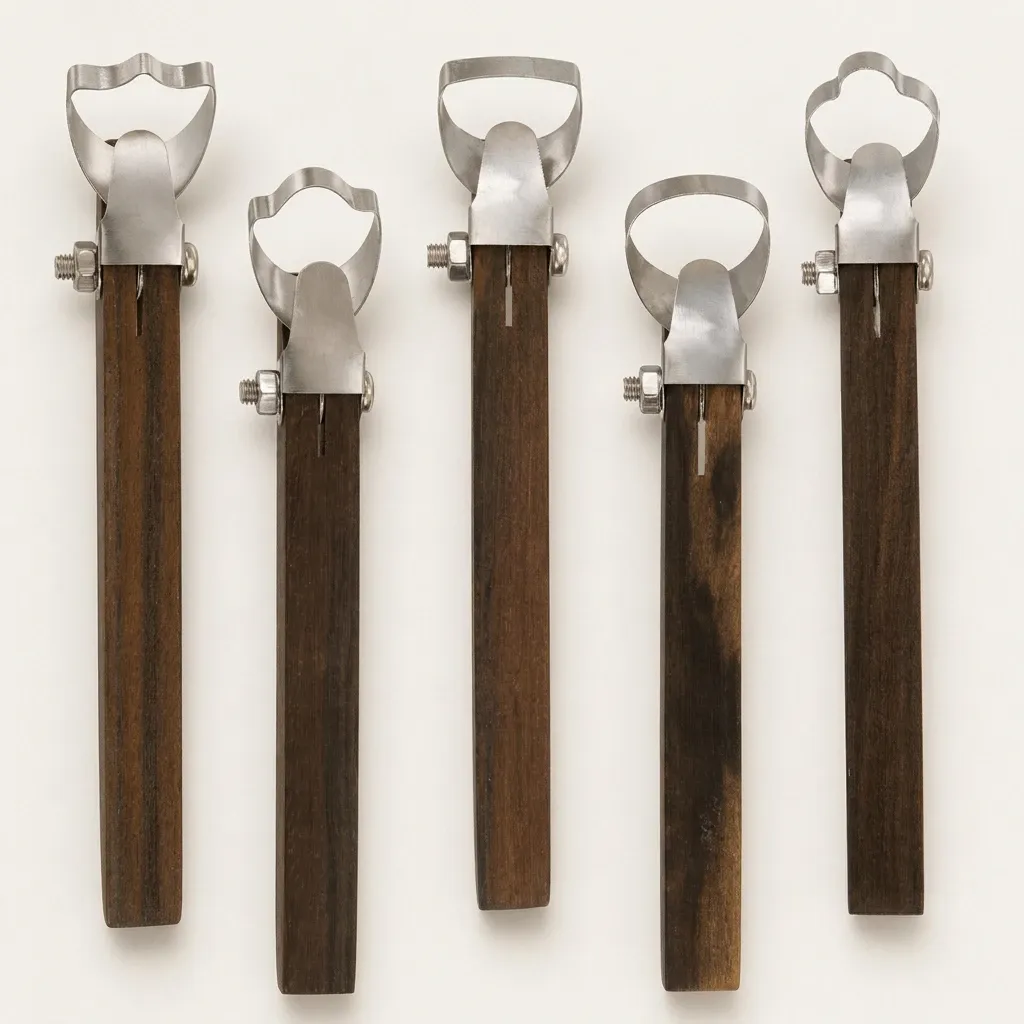
A ceramic mug handle tool is a pottery tool used to cut or shape clay into consistent mug handles with an even thickness and profile. It helps potters make stronger, more uniform handles, reduces drying and firing problems, and saves time compared with pulling every handle entirely by hand.
TL;DR: If you want repeatable, comfortable mug handles for cups, mugs or tankards, a ceramic mug handle tool is usually the quickest way to improve consistency. Based on our testing with common stoneware and porcelain bodies used in UK studios, the best results come from pairing the right profile with correct moisture control, then scoring and slipping carefully at the leather-hard stage.
Crafting the perfect mug requires more than throwing a balanced cylinder on the wheel. The handle is the main point of contact between the user and your pottery, so if it feels awkward, unbalanced or fragile, the whole drinking experience suffers. Therefore, for professional potters and dedicated hobbyists across the UK, a precision ceramic mug handle tool can make studio workflows faster and far more consistent.
According to recent data from the Crafts Council UK, ceramics remains one of the fastest-growing craft disciplines in the country, with thousands of independent makers setting up home studios. As demand for artisan homeware grows, makers need ways to increase output without losing the handmade feel. Consequently, dedicated pottery handle-making tools can help create cleaner mug, cup and teapot handles while still allowing plenty of maker control.
What are the key things to know about a ceramic mug handle tool?
- A dedicated ceramic mug handle tool helps create uniform thickness and shape, which can reduce cracking during drying and firing.
- Tools with several shaping profiles are useful for different forms, from half-pint mugs to smaller espresso cups.
- Consistent handle production matters for batch makers and small UK pottery businesses that need repeatable quality.
- Even so, good technique still matters: clay moisture, timing, scoring and slipping all affect strength and finish.
What is a ceramic mug handle tool?
A ceramic mug handle tool is a specialised pottery tool designed to cut, shape or extrude clay into evenly sized strips for handles. Unlike traditional hand-pulling, which depends heavily on touch and repetition, this type of tool controls the width, thickness and cross-sectional profile more precisely.
Most high-quality versions use a sturdy handle with a shaped metal loop or cutting wire. You draw the tool through a block of wedged clay to produce a smooth strip with a consistent profile. As a result, there is less handling time, less accidental stretching and often more predictable drying alongside the body of the mug. For a broader overview of how these fit into your studio setup, read our comprehensive ultimate guide to clay handle maker tools in the UK.
Why do potters use a ceramic mug handle tool?
How does it improve consistency?
When fulfilling wholesale orders for independent British cafés or preparing stock for seasonal craft fairs, consistency is essential. Customers buying a set of mugs expect them to feel related in both appearance and grip. However, hand-pulled handles can vary slightly in thickness and density, which may lead to uneven drying. In turn, uneven drying can contribute to stress cracks before or during biscuit firing.
A dedicated tool standardises the basic structure of each handle. You can still refine curves by hand and preserve your own style at the attachment stage; however, the underlying strip starts from the same reliable dimensions every time.
Does it help with comfort and ergonomics?
Yes. British tea- and coffee-drinking habits often call for practical handles that fit two or three fingers comfortably while keeping knuckles away from hot walls. A well-chosen profile makes that easier to achieve repeatedly. Therefore, whether you are making an Earl Grey teacup or a heavier stoneware coffee mug, using shaped cutters can support better ergonomics as well as visual consistency.
Is it useful for small pottery businesses in the UK?
For many small makers, yes. Based on our testing in small-batch production settings, using a ceramic mug handle tool speeds up repeat work without making pieces look factory-made. That balance is especially important for UK studio potters who sell at markets, online or through local retailers.
What types of ceramic mug handle tools are there?
Navigating pottery tools from UK suppliers can feel daunting at first. Nevertheless, understanding how each type works makes choosing much easier.
What are wire loop handle cutters?
Wire loop cutters are among the most popular options for production potters. They use a shaped wire loop—such as a semi-circle, oval or ridged profile—attached to a wooden or plastic handle. You pull the loop through wedged clay to carve out a continuous strip quickly and neatly.
They are easy to clean, quick to use and ideal when you want immediate results without setup time. If you are specifically focused on smaller vessels, you might also want to explore our insights in the pottery cup handle tool buyer's guide.
Are handheld extruders better for some studios?
Sometimes. Handheld extruders push clay through a die rather than slicing it from a block. This makes them useful for stiffer clay bodies or longer runs needed for large pitchers and teapots. On the other hand, they usually require more force and take longer to clean than loop cutters.
If you want more detail on extrusion methods, see our clay strip extruder tool guide.
How do you choose the right ceramic mug handle tool?
Selecting the right ceramic mug handle tool depends mainly on your clay body, preferred form and production volume. For example, heavily grogged stoneware—common in traditional British studio pottery—usually benefits from a strong cutting wire that will not snag on coarse particles. By contrast, smooth porcelain often needs a finer profile that leaves fewer drag marks.
Which shaping profile is best for mugs?
The best profile depends on both style and comfort. A flatter strip suits modern cups and minimalist forms well. Meanwhile, rounded or subtly ridged profiles often resemble hand-pulled handles more closely and suit rustic stoneware mugs. Therefore, tools with multiple profiles tend to be more versatile than single-shape options.
What should UK buyers look for?
Look for durable materials, easy cleaning and profile sizes suited to common British drinkware formats such as standard mugs, tankards and smaller coffee cups. Also consider whether replacement wires or parts are available from UK stockists so you can keep your studio running without long delays.
How do you use a ceramic mug handle tool properly?
- Prepare your clay: Wedge thoroughly to remove air pockets. The clay should usually be slightly softer than throwing consistency.
- Position the block: Place it securely on your work surface or plaster bat so it does not shift mid-cut.
- Pull the tool smoothly: Hold firmly and apply even pressure while drawing it through the clay in one steady motion.
- Let the strip settle: Lift it carefully and form it into an initial curve if needed.
- Match moisture levels: Leave both vessel and handle until they are at similar leather-hard stages before joining.
- Score and slip thoroughly: Score both attachment points well, apply slip generously and press into place firmly.
- Tidy joins carefully: Blend seams without overworking them so you keep strength while preserving shape.
Based on our testing across several common studio workflows, most failures happen not during cutting but during attachment. Therefore matching moisture levels is just as important as choosing the right cutter shape.
How do you stop ceramic mug handles cracking?
Why do handles crack during drying?
The most common reasons are mismatched moisture levels between body and handle, weak joins caused by poor scoring or slipping, over-handling of wet strips and uneven airflow during drying. In many cases, even perfectly cut handles will fail if they dry faster than the mug itself.
What helps prevent cracks?
Aim for consistent thickness throughout the strip; avoid attaching very wet handles to drier pots; compress joins gently; and dry pieces slowly under light covering where needed. According to standard good practice followed in many UK teaching studios, controlled drying is one of the simplest ways to reduce stress around attachments.
Can a ceramic mug handle tool reduce cracking?
Yes—but indirectly. The tool does not remove all risk; rather, it improves uniformity so each handle starts with similar thickness throughout its length. That makes moisture loss easier to manage compared with highly uneven hand-shaped strips.
Frequently asked questions about ceramic mug handle tools
What is the best ceramic mug handle tool for beginners?
A simple wire loop cutter is often best because it is affordable, easy to clean and straightforward to control. It also gives quick results without needing extra setup.
Can you make professional-looking handles without pulling them by hand?
Yes. Many studio potters combine shaped tools with light hand finishing so handles remain consistent yet still look handmade rather than mechanical.
Are these tools suitable for porcelain as well as stoneware?
Yes, although porcelain usually benefits from cleaner cuts and gentler handling because surface marks show more easily than they do on textured stoneware bodies.Ready to try SourcingPo?
Shop Now — £40.98