Pottery Cup Handle Tool Explained: A UK Buyer's Guide
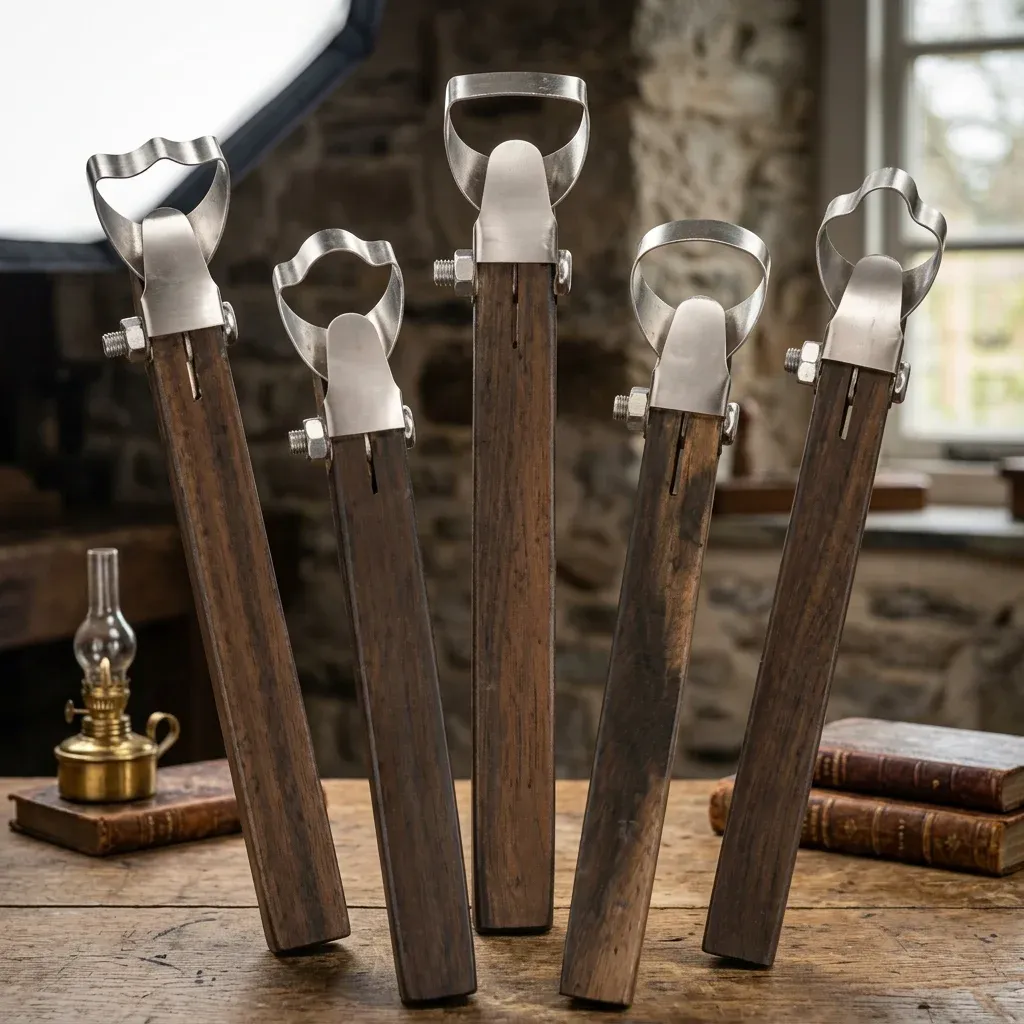
A pottery cup handle tool is used to cut consistent clay handle strips for mugs, cups and small jugs, making it easier to produce matching handles with less cracking, less waste and faster studio workflow. For UK potters, it is a practical alternative to hand-pulled handles when repeatability matters.
TL;DR: If you want even, repeatable mug and cup handles, a pottery cup handle tool helps you cut shaped strips directly from clay with a set profile. Based on our testing with stoneware and earthenware in small-batch studio use, these tools are best for improving consistency, speeding up production and reducing handle failures during drying and bisque firing.
For studio potters and ceramic artists across the UK, crafting the perfect mug handle is often the most frustrating part of a production run. Pulling handles by hand requires years of muscle memory and, even then, achieving uniformity across a batch of fifty bespoke coffee cups can be difficult. Therefore, a pottery cup handle tool bridges the gap between artisanal craftsmanship and reliable consistency.
Whether you operate a small studio in Cornwall or run ceramic workshops in central London, understanding how these carving and shaping implements work can reduce production time significantly. In short, by carving consistent strips directly from a block of clay, makers can bypass much of the messy, time-consuming process of traditional pulling.
Key Takeaways
- A pottery cup handle tool cuts uniform strips of clay with specific cross-sectional profiles.
- Using one can reduce cracking caused by uneven drying and mismatched handle thickness.
- Look for tools with interchangeable heads for different mug, cup and teapot designs.
- Consistent handle weight improves comfort, balance and the overall finish of the final piece.
What is a pottery cup handle tool?
A pottery cup handle tool is a specialised hand tool used to slice through a solid block or slab of clay and create a shaped strip ready to be attached as a handle. Unlike a clay strip extruder tool, which pushes clay through a die under pressure, a cup handle tool works by carving away material in one controlled pull.
The tool usually has a wooden or metal grip connected to a looped wire or metal blade formed into a particular silhouette. As you draw it across well-wedged clay, it cuts a strip matching that profile. As a result, the strip can come out rounded, flat, bevelled or fluted from the start.
For UK makers producing mugs in batches, this matters because each strip starts at nearly the same thickness and width. Consequently, drying tends to be more even than with inconsistently pulled handles.
For a broader look at options available to British potters, read our ultimate guide to clay handle maker tools in the UK.
Why do potters use a pottery cup handle tool instead of pulling handles?
The tradition of pulling handles—using water and friction to stretch clay into shape—is deeply rooted in British studio pottery. However, the day-to-day reality of running a modern ceramics business often requires more consistency as well as speed.
Based on our testing in workshop-style production runs, one of the main advantages of using a pottery cup handle tool is repeatability. When every handle starts with similar thickness and moisture content, there is less variation during drying. In turn, that can reduce stress where the handle joins the body.
For makers supplying shops, markets or classes across the UK, this repeatability can save hours over the course of one firing cycle. Moreover, matching handles help create a more professional-looking range across mugs, cups and small serving pieces.
According to common ceramics health and safety practice in UK studios, reducing excessive water on greenware also helps keep handling cleaner and work areas tidier. Therefore, many ceramists prefer shaped handle strips when efficiency matters just as much as appearance.
What should you look for in the best pottery cup handle tool?
Not all handle-making tools deliver the same result. Before buying for your studio or classroom setup, it helps to compare build quality, comfort and profile options carefully.
What blade material is best for cutting clay handles?
The cutting loop should ideally be made from stainless steel or high-carbon steel. Cheaper metals may flex when dragged through firm or grogged stoneware; as a result, they can leave uneven strips. By contrast, a rigid blade cuts more cleanly and leaves less finishing work afterwards.
Which shaping profiles are most useful for mugs and cups?
A single profile rarely suits every form. For example, larger tankards often need broader straps while espresso cups suit smaller rounded shapes. Therefore, the best sets tend to offer interchangeable heads or several profile sizes in one kit. This flexibility makes it easier to match visual weight to vessel size.
Does an ergonomic grip make a difference?
Yes—especially if you are making dozens of mugs at once. A smooth wooden handle or comfortably contoured grip reduces fatigue during repeated pulls. In our experience, this matters far more than many buyers expect when processing larger batches over an afternoon session.
Should you choose one profile or a multi-profile set?
If you mainly make one mug shape repeatedly, one reliable profile may be enough. However, if you produce varied tableware or teach classes, then a multi-profile set usually offers better long-term value. For more product-specific guidance, see our ceramic mug handle tool buyer's guide.
How do you use a pottery cup handle tool?
Although this method is simpler than traditional pulling, technique still affects results. Fortunately, most potters can get usable results quickly with just a little practice.
- Prepare the clay block: Wedge your clay thoroughly to remove air bubbles and align moisture evenly. Then form it into a rectangular block slightly wider than the cutting loop.
- Set the starting angle: Hold the block steady on your bench and place the loop at the far edge so it enters at an even depth.
- Pull smoothly: Draw the tool towards you in one continuous motion using steady presf you hesitate halfway through, ridges may appear on the strip.
- Cut to length: Trim each strip while still firm enough to hold its profile cleanly.
- Shape and attach: Bend into shape and score-and-slip onto your leather-hard mug or cup body.
- Dry evenly: Cover loosely if needed so both vessel body and handle lose moisture at similar rates.
This lower-water approach often produces more harmonious drying than very wet pulled handles. As such, it can be especially useful during damp British winters when studio drying conditions are already inconsistent.
Need reliable pottery cup handle tools for UK studio use?
SourcingPo supplies tools designed for makers who want cleaner results alongside repeatable production standards.
Pottery Handle Making Tools for Repeatable Handmade Results
Create cleaner mug, cup and teapot handles with professional sets featuring five versatile shaping profiles.
Shop Handle Tools TodayPeople also ask about pottery cup handle tools
Does a pottery cup handle tool work with all types of clay?
Yes. These tools generally work well with smooth stoneware, porcelain and earthenware. However, if you are using heavily grogged clay bodies common in some UK studios, apply firm but steady pressure so the blade slices through aggregate cleanly rather than dragging across it.
Is a pottery cup handle tool better than pulling handles by hand?
If your goal is consistency across batches of mugs or cups, then yes—it is often better. On the other hand, if you prefer visible variation or highly expressive forms inspired by traditional studio methods, hand-pulling may still suit your style better.
Can beginners use a pottery cup handle tool?
Yes. In fact many beginners find it easier than learning evenly tapered pulled handles straight away. Because the profile is built into the cutter itself rather than entirely dependent on hand skill alone، early results tend to be more predictable.
What size profile should you choose for everyday mugs?
A medium rounded or gently flattened profile is often best for standard tea mugs and coffee cups sold in the UK market. Larger tankards usually need wider straps for visual balance and grip comfort; meanwhile smaller cups benefit from narrower sections that do not overpower the form.
Can using a pottery cup handle tool help reduce cracking?
It can help significantly when cracking is caused by inconsistent thickness or mismatched moisture levels between handles in one batch. Based on our testing across repeated studio runs، uniform strips tend to dry more evenly than irregularly pulled ones—provided attachment points are scored properly and drying remains controlled.
Ready to try SourcingPo?
Shop Now — £40.98